
5 Signs You Need Inpatient Methamphetamine Treatment
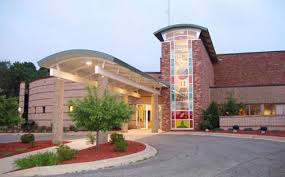
Inpatient meth rehabilitation helps people recover from the physical and psychological effects of meth addiction.
Methamphetamine, one of the most powerful stimulant drugs on the market, poses serious risks of abuse and addiction when used on a regular basis. While a chosen few people can break a methamphetamine addiction on their own, the damaging effects of the drug on the brain and body leave most people unable to maintain abstinence for any length of time.
According to Semel Institute, methamphetamine addictions happen fast as brain chemical processes come to depend on the drug’s effects more and more. Once users feel they need the drug to cope with daily life, the effects of addiction have come full circle.
Inpatient methamphetamine treatment provides addicts with the time, space, support and guidance needed to overcome the drug’s pull on their lives. If you or someone you know is considering treatment, here are five signs you need inpatient methamphetamine treatment help –
1. Strong, Persistent Drug Cravings
According to the National Institute on Drug Abuse, methamphetamine abuse depletes dopamine chemical secretions in the brain. Dopamine plays an essential role in maintaining a person’s sense of well being and ongoing emotional state. With continued use, brain cell receptors demand methamphetamine like the body demands food. In the absence of the drug, ongoing cravings can make ongoing abstinence unbearable.
Someone experiencing persistent drug cravings may well require the support and structure an inpatient treatment facility can offer.
2. Increasing Drug Consumption
As the brain becomes more and more dependent on methamphetamine effects, individual brain cell receptor sites lose their sensitivity to the drug. In effect, this loss of sensitivity results from weakened or damaged brain cells and brain cell functions.
The less sensitive cell receptor sites become the larger the dose needed to produce the same desired effects. As a result, the brain develops an increasing tolerance level that continues to rise for as long as a person uses. This process in and of itself makes any attempts at abstinence all the more difficult.
3. Failed Attempts at Quitting
Someone who’s made several failed attempts to stop using methamphetamine has entered into the depths of the addiction process. Each time a person abstains from drug use for any length of time, the brain’s tolerance levels decrease accordingly. Once he or she starts using again, it becomes that much harder to break the addiction as tolerance levels rise even higher than before.
4. Persistent Fatigue
Methamphetamine’s overall effects work to speed up central nervous system functions. These effects place considerable strain on the brain and body as a whole. With repeated use, a person starts to experience a chronic state of fatigue or “burn out.” With severe addictions, feelings of fatigue persist no matter how much methamphetamine is consumed.
5. “Needing” Methamphetamine
Methamphetamine addiction starts out as a physical dependency that evolves into a psychological dependency over time. While the brain and body do develop an actual physical dependency on the drug, once addicts start to believe they need the drug to function in daily life, a psychological dependency has taken root.
-
 Is Inpatient Rehab an Expensive Treatment Option? -
According to the National Institute on Drug Abuse, outpatient treatment “costs less than residential or inpatient treatment and is often more suitable for people with jobs or extensive social supports.” While this is true in most cases, there are more inexpensive options that exist for those who require inpatient care and sometimes even free centers ...
Is Inpatient Rehab an Expensive Treatment Option? -
According to the National Institute on Drug Abuse, outpatient treatment “costs less than residential or inpatient treatment and is often more suitable for people with jobs or extensive social supports.” While this is true in most cases, there are more inexpensive options that exist for those who require inpatient care and sometimes even free centers ...
-
 How Inpatient Drug Rehab Centers Help Families Heal -
About Inpatient Drug Rehab Centers According to the Substance Abuse and Mental Health Services Administration, over 22 million people, 12 years of age or older, used illicit drugs in 2010, which is a higher percentage than it was in 2008. Drug addiction has continually increased throughout the past decade, and now since prescription medications, such ...
How Inpatient Drug Rehab Centers Help Families Heal -
About Inpatient Drug Rehab Centers According to the Substance Abuse and Mental Health Services Administration, over 22 million people, 12 years of age or older, used illicit drugs in 2010, which is a higher percentage than it was in 2008. Drug addiction has continually increased throughout the past decade, and now since prescription medications, such ...
-
 Will Inpatient Drug Rehabilitation Make Me Lose My Job? -
Chronic drug abuse causes considerable damage to the brain and body, leaving users in a diminished functional capacity. It’s not uncommon for chronic users to go in and out of drug treatment, with each time preceded by an untimely relapse episode. More oftentimes than not, the damage left behind by drugs has caused other psychological ...
Will Inpatient Drug Rehabilitation Make Me Lose My Job? -
Chronic drug abuse causes considerable damage to the brain and body, leaving users in a diminished functional capacity. It’s not uncommon for chronic users to go in and out of drug treatment, with each time preceded by an untimely relapse episode. More oftentimes than not, the damage left behind by drugs has caused other psychological ...
-
 10 Ways to Make the Best of Inpatient Drug Rehab -
Inpatient drug rehab can mark the start of a new way of life. After so many attempts at abstinence and the frustrations of relapse, for many people, the decision to enter inpatient drug rehab has been a long time coming. Drug addiction is a complex condition where users relinquish their priorities, responsibility and close relationships ...
10 Ways to Make the Best of Inpatient Drug Rehab -
Inpatient drug rehab can mark the start of a new way of life. After so many attempts at abstinence and the frustrations of relapse, for many people, the decision to enter inpatient drug rehab has been a long time coming. Drug addiction is a complex condition where users relinquish their priorities, responsibility and close relationships ...
-
 Do No Cost Rehab Centers Really Work? -
A primary reason for individuals who perceive a need for substance abuse treatment and do not receive it is the concern for cost. While they may be aware that no cost rehab centers are available, there is the additional concern for whether or not these programs will really work. Various Types of No Cost Rehab ...
Do No Cost Rehab Centers Really Work? -
A primary reason for individuals who perceive a need for substance abuse treatment and do not receive it is the concern for cost. While they may be aware that no cost rehab centers are available, there is the additional concern for whether or not these programs will really work. Various Types of No Cost Rehab ...