
Aromatherapy in Residential Treatment and Recovery
According to the National Cancer Institute, the use of fragrant plants in heling practices has a history that extends for thousands of years and across many cultures. Some of the most prominent regions include ancient China, India, and Egypt. However, the extraction of essential oils from plants wasn’t discovered until the Middle Ages.
Modern aromatherapy originated in the early 20th century, when French chemist Rene Gattefosse first used the term “aromatherapy;” Gattefosse studied the effects of essential oils on numerous diseases. In the 1980s and 1990s, as interest in alternative medicine grew, aromatherapy was rediscovered in Western countries.
Given its relatively recent rediscovery and its association with alternative healing practices, many people write off aromatherapy’s use. However, more and more people in addiction treatment are finding aromatherapy to be an important component of their recovery plan. If you would like to learn more about drug rehab and recovery, contact InpatientDrugRehabCenters.com at 800-430-1407Who Answers? speak to an expert today.
Your Brain
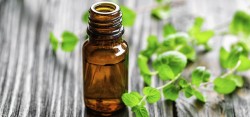
Aromatherapy can work to reduce negative emotions while in residential treatment.
Aromatherapy works because of the effect it has on your limbic system and your brain.
The act of smelling, also known as olfaction, is part of your limbic system: it is in charge of memory, emotions, and behavior. When you breathe in a smell, messages are sent to parts of the brain and chemicals that have an effect on your mood are released.
The limbic system is also part of your brain’s reward center: the part that makes using drugs compulsive. Drugs trigger a euphoria that floods the brain with feel-good chemicals. This wires the brain to chase after that euphoria. People in recovery can use aromatherapy to trigger their limbic system; this lessens the negative feelings and stressors associated with recovery.
Aromatherapy
Aromatherapy is simply the administration of the scents produced by essential oils (also known as volatile oils). Essences extracted from the fragrant part of plants— under the surface of leaves, bark, or peel—in natural ways become essential oils. Distillation with steam and/or water, or mechanical pressing may be used. Keep in mind, oils made with chemical processes are not true essential oils.
The University of Minnesota reports, “Research studies on essential oils show positive effects for a variety of health concerns including infections, pain, anxiety, depression, tumors, premenstrual syndrome, nausea, and many others.”
Useful Scents
There are some basic essential oils that are popular in treating addiction and sustaining recovery. Though, the kinds of oils used and the ways they are blended may vary, based on the experience and expertise of the aromatherapist.
Essential oils commonly used for addiction recovery include:
- Bergamot: calms tension, lightens depression, and increases energy
- Black Pepper: used in addiction, especially tobacco addiction
- Chamomile: calming and useful in treating insomnia
- Clove: used for tobacco addiction, balancing metabolism, and muscle aches and pains
- Grapefruit: treats drug addiction, suppresses appetite, alleviates mental stress, and lessens withdrawal symptoms
- Lavender: relieves tension and anxiety, reduces mood swings, and fights insomnia
- Lemon: treats anxiety and depression, increases energy, curbs overeating, decreases stress, and triggers relaxation
- Orange: uplifting emotionally and useful in decreasing anxiety, fear, and withdrawal symptoms
- Peppermint: aids with headaches, nausea, vomiting, fatigue and muscle aches
- Rosemary: helps with alcohol addiction, detox, fatigue, and headaches
Some of the easiest ways to use essential oils and get the maximum benefit from their scents is via one of the following methods listed by the National Cancer Institute:
- Indirect inhalation: patient breathes in essential oils by using a room diffuser or placing drops nearby
- Direct inhalation: patient breathes in essential oils by using an individual inhaler with drops floated on top of hot water
- Aromatherapy massage: massaging essential oils, diluted in a carrier oil, into the skin
- Applying essential oils to the skin by combining them with bath salts, lotions, or dressings
Researching options and remaining open to a variety of approaches is one of the best ways to make the most of recovery. Don’t close yourself off to alternative treatments like aromatherapy. Any tool that helps you is the right tool for you. If you would like information about more tools and resources, call InpatientDrugRehabCenters.com at 800-430-1407Who Answers?.
-
 Inpatient Drug Rehab Benefits Outweigh the Costs -
Inpatient drug rehab has been shown to be the most effective form of addiction treatment available.
Inpatient Drug Rehab Benefits Outweigh the Costs -
Inpatient drug rehab has been shown to be the most effective form of addiction treatment available.
-
 What if Your Loved One Doesn’t Want to Get Clean? -
It can be hard to deal with a loved one who does not want to get clean, but just because he or she does not wish to get clean does not mean that all is lost. It is not always easy for an addict to decide to become sober. Many different situations can convince a ...
What if Your Loved One Doesn’t Want to Get Clean? -
It can be hard to deal with a loved one who does not want to get clean, but just because he or she does not wish to get clean does not mean that all is lost. It is not always easy for an addict to decide to become sober. Many different situations can convince a ...
-
 Pros and Cons of Local Drug Rehab Centers -
Local drug rehab centers are often the go-to choice for many individuals who need treatment for drug addiction and abuse. If you choose a local clinic, there are many positive aspects this type of facility, including just being near to your home and loved ones. However, like all treatment types, local drug rehab centers have ...
Pros and Cons of Local Drug Rehab Centers -
Local drug rehab centers are often the go-to choice for many individuals who need treatment for drug addiction and abuse. If you choose a local clinic, there are many positive aspects this type of facility, including just being near to your home and loved ones. However, like all treatment types, local drug rehab centers have ...
-
 8 Reasons Inpatient Drug Rehab Programs Are More Effective Than Outpatient Programs -
When it comes to long-term recovery, the effectiveness of inpatient rehab programs is undeniable.
8 Reasons Inpatient Drug Rehab Programs Are More Effective Than Outpatient Programs -
When it comes to long-term recovery, the effectiveness of inpatient rehab programs is undeniable.
-
 Are there Free Drug Intervention Programs? -
Recognizing a drug addiction is a huge step towards recovery. Concerned about the cost? We understand, one of the most common reasons people with addictions do not seek help is they are worried about the financial impact on their lives. Rest assured there are facilities and programs available that have a variety of programs at ...
Are there Free Drug Intervention Programs? -
Recognizing a drug addiction is a huge step towards recovery. Concerned about the cost? We understand, one of the most common reasons people with addictions do not seek help is they are worried about the financial impact on their lives. Rest assured there are facilities and programs available that have a variety of programs at ...